Tips for Meeting with Elected Officials
By John Wyvill, Nebraska Hands & Voices
At some point in your advocacy career, you will need to meet with elected officials. Having that meeting is the first step in being an effective and credible advocate in the eyes of those officials. The prospect of such a meeting, especially for the first time, can be perceived as an overwhelming and daunting task. The key to having that effective meeting is thorough preparation and concise communication. There are three stages for that meeting: the preparation, the meeting itself, and the follow-up. Here are some tips that will help you get ready:
Prepare for the meeting:
- There are three things that you should have done before walking into any meeting with the elected official. You need to research the person you are meeting with, focus on how to keep your message concise and understand what your “ask” is.
- Before formulating your strategy, you should do your research on the elected official. The research should include getting an understanding of their public stance on issues, especially relating to the purpose and topics of the meeting. It would be a good idea to review their social media posts, their biographical information, and their official website to get a better understanding of the official as a public figure and who they are as a person. The human side of officials may reveal valuable insight into their thinking and tailor your approach.
- Keep your message and “ask” concise. In the social media era that we are in today, you need to convey a very short, succinct message.
- The message should be followed by your specific ask in the meeting. What are you wanting the elected official to do: support a bill, take a specific stand, or are you simply providing them with information? If you are not concise and brief, you will quickly lose their attention.
- Prior to the meeting, go over any anticipated questions. During that review process, you should also determine how you will answer any anticipated questions or respond to possible statements, and who should answer them if you are part of a group.
The actual meeting:
- Don’t be late. Make sure you factor in enough travel time to arrive at the office on time. You need to be on time even if they are not. Elected officials have busy days, so you will also need to be prepared if they are late or your meeting is interrupted.
- When you are in the office, be mindful that the staff is an extension of the elected official. Be courteous to everyone. The staff sees all and tells all. I have seen advocacy efforts fail due to advocates being rude to staff. Don’t be surprised if the meeting with the elected official is only fifteen to twenty minutes. This is not unusual. If it is possible to meet with their staff either before or after the meeting, you need to take advantage of every minute of that opportunity. You want staff on your side.
- When the elected official enters the room, you need to introduce yourself, your group, and thank the elected official for their time. If this elected official has supported your cause before, make sure you thank them for their past support and that you want to partner with them in the future.
- When you are in the room with the elected official, you are the subject matter expert. Make sure you tell a story using a personal anecdote, for example, how your child is impacted by this issue. Use the personal story and back it up with broader statics that will enhance your credibility. Take full advantage of the short time you have the legislative official’s attention, so you will need to stay on topic and factor in time for questions. Answer all questions honestly, and if you don’t know an answer, it’s okay to say you don’t know. If that happens (and it will) make sure you follow up with information later.
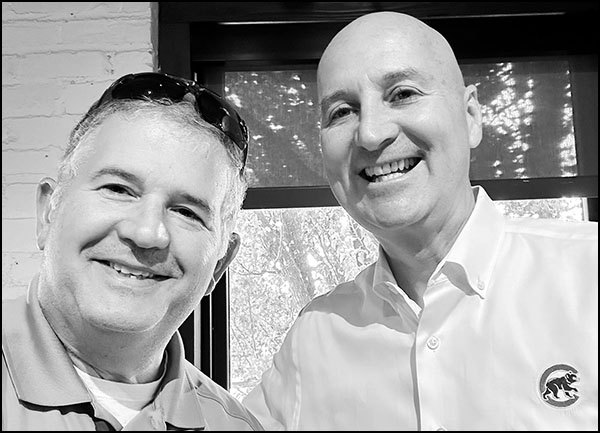
- You should always do two things as you leave a meeting: you ask the elected official for a group photo and leave a one-pager behind with supporting information.
- A simple positive post on social media thanking the official for the meeting and tagging the official for the meeting with you can go a long way in building relationships. Leaving a one- pager behind for them is also critical. A well-done one-pager that clearly outlines the problem, your solution, and a call to action is an important advocacy item that you should bring to every meeting. The one-pager serves as a reminder of who you are, your position, your contact information and will help you move to the next step.
After the meeting:
- After the meeting is over, send a personal thank-you note to the elected official. A handwritten note is old-school, but I have found these are more noticeable and memorable. An email should also be sent to the staff who attended the meeting, outlying the key points along with your thanks. If there was any additional information you promised to provide, you need to follow up on that promptly.
- It’s important that after your meeting, you inform your group about the meeting’s outcome and any next steps.
Wyvill Wrap Up:
The process of meeting with an elected official can be stressful; however, with preparation and a game plan, you can manage your nervousness. The primary goal for the meeting is to be credible, focused, and a valuable resource for them and their staff. Successful advocacy is a marathon, not a sprint. It begins with a well-prepared meeting. ~
Editor’s note: John Wyvill is a government affairs manager for a telecommunications provider in Nebraska and Iowa and serves as a board member for Nebraska Hands & Voices. John also served as a presidential appointee and in former Arkansas Governor Mike Huckabee’s Cabinet.
H&V Communicator – Winter 2026